Cart
0
You may also like
By size
 Mini bags
 Large bags
By shape
 Bucket bags
 Handbags
 Totes
Totes Shoulder bags
 Crossbody bags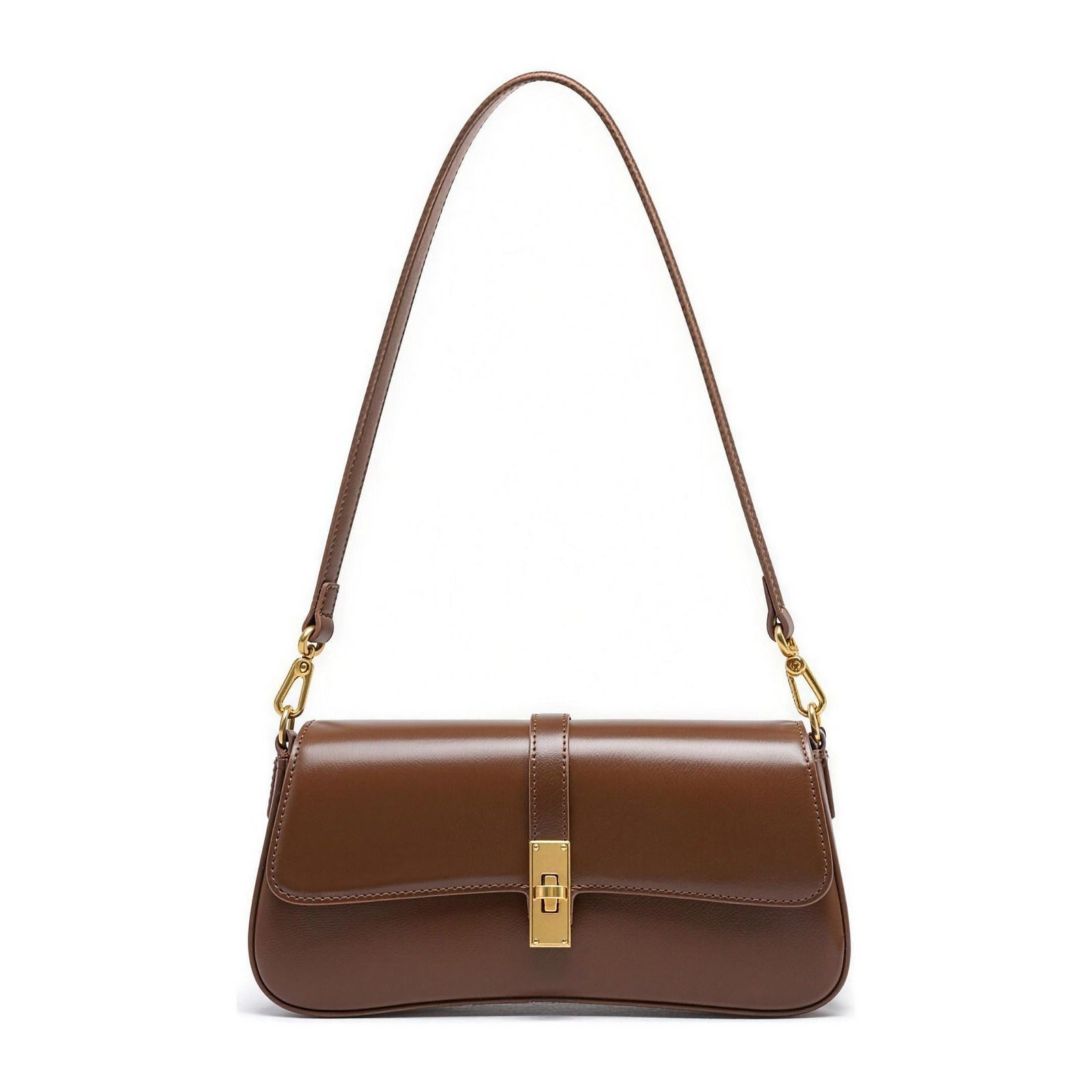
Browse
Most loved
We often think a handbag is chosen on impulse. That is half true. Falling for a bag triggers the purchase, but very concrete criteria decide whether it becomes your everyday companion or ends up at the back of a cupboard. A bag too small for your daily life, a strap that cuts into your shoulder, a colour that goes with nothing, leather that marks at the first rub: every disappointment has a precise cause, and almost all of them can be avoided before you order.
This guide brings together everything you need to know to choose the right handbag: how you will really use it, the right size and shape, the material, the colour and the budget. It is also the starting point of our "Buying guide" series, where each question is explored in its own article. Take five minutes to read it: it is the best investment you can make before your next bag.
The first question is not "which bag do I like?" but "what will I put in it, and where will I take it?". Do the exercise honestly: empty your current bag onto a table. Wallet, phone, keys, glasses, pouch, water bottle, notebook, sometimes a tablet or a laptop. This small inventory immediately sets the minimum capacity you need.
Then think about your typical day. If you go from the office to public transport and then to dinner, you need a versatile bag that can be carried in several ways. If you often walk or cycle, choose a bag that frees your hands. If you work with a laptop, go straight for a large structured bag. For evenings out, on the other hand, a small bag is more than enough.
Many women end up building a small wardrobe of bags: an everyday bag, a work bag and a dressier bag. But if you can only choose one, choose the one that covers 80% of your days. That is the bag you will carry hundreds of times, so that is where you should be most demanding.
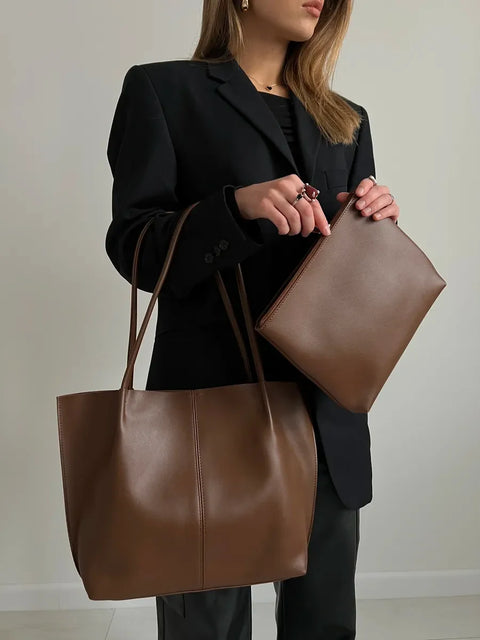
Once your needs are listed, the size follows almost naturally. There are three main families. Mini bags hold the essentials (phone, card, keys, lipstick) and elevate evening or weekend outfits: discover them in our selection of mini bags. Medium bags, the most versatile, hold a standard wallet, a pouch and a few accessories. Maxi bags and totes are made for busy days, with room for a laptop or a change of clothes: see our maxi bags.
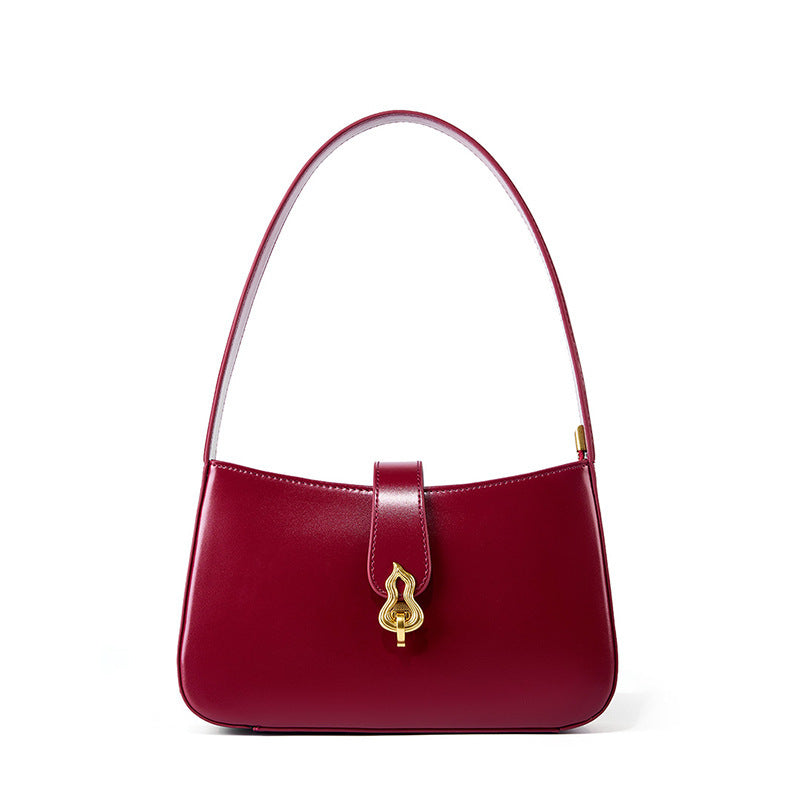
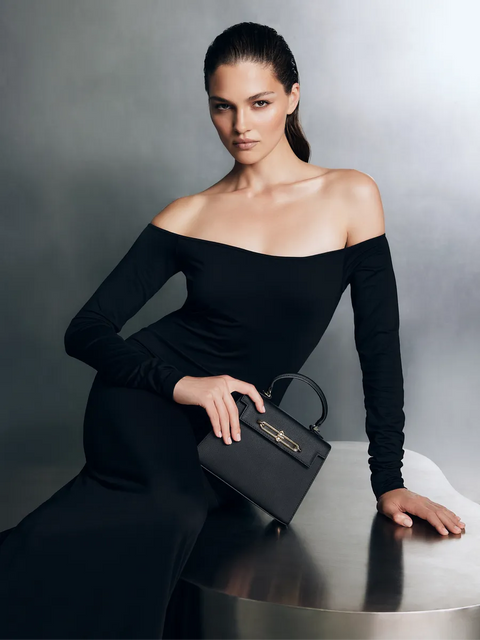
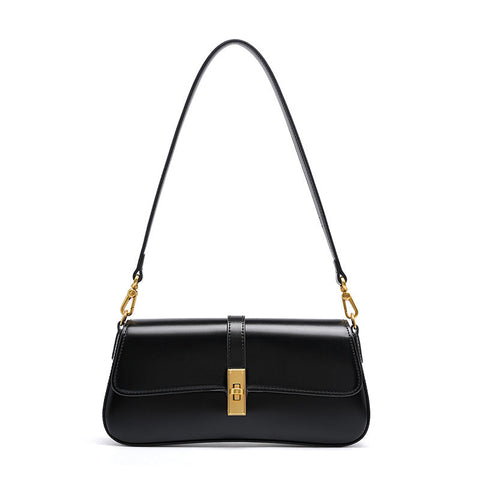
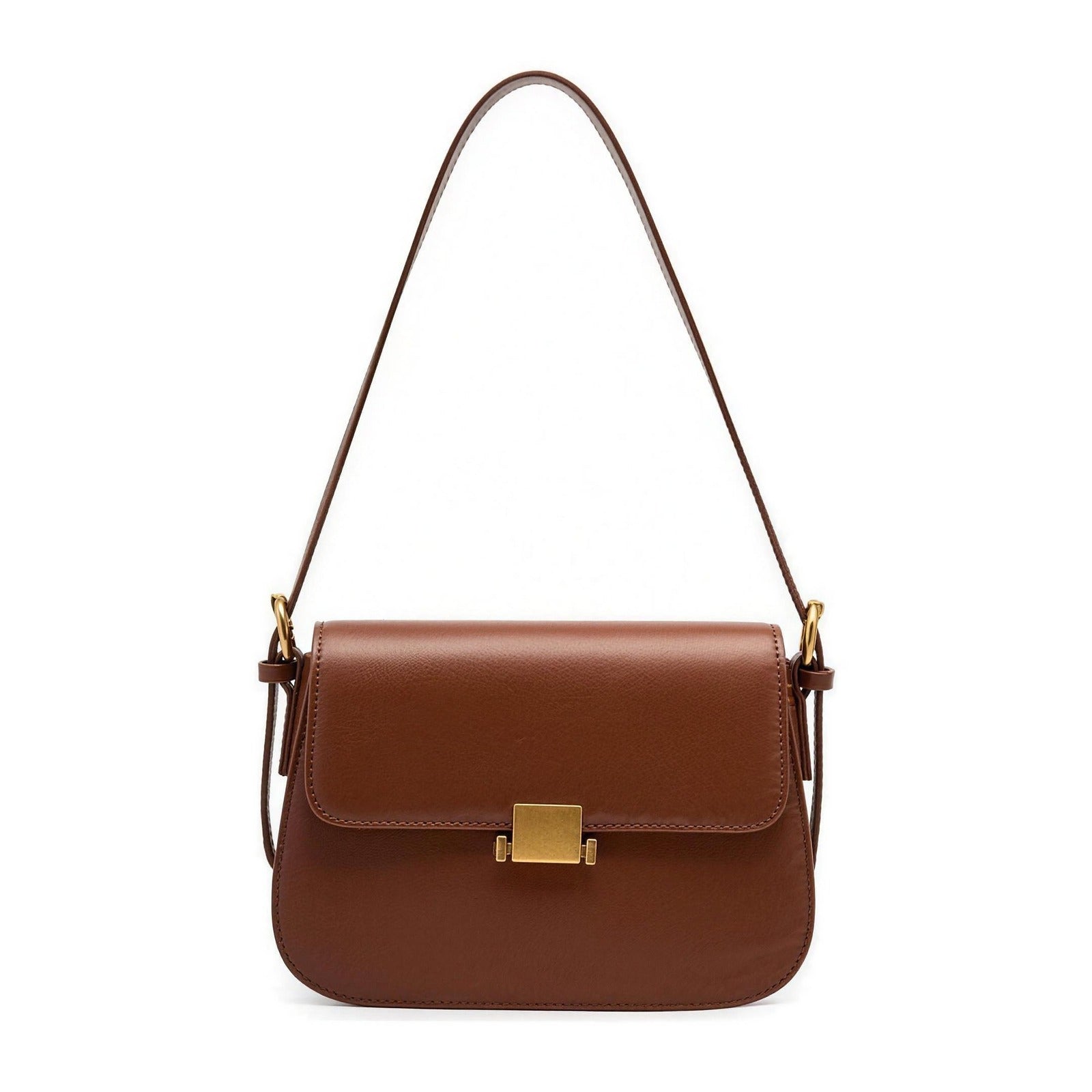
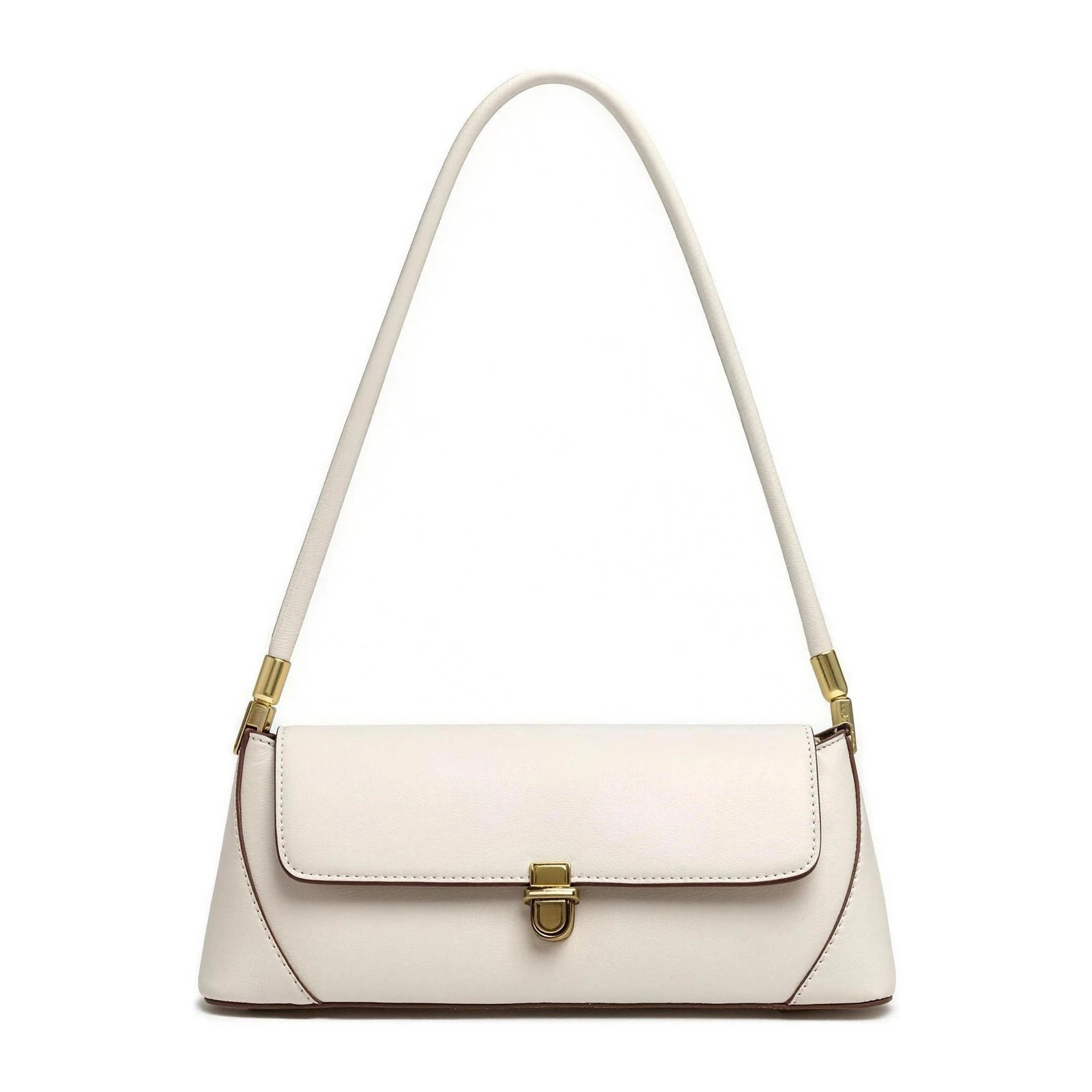
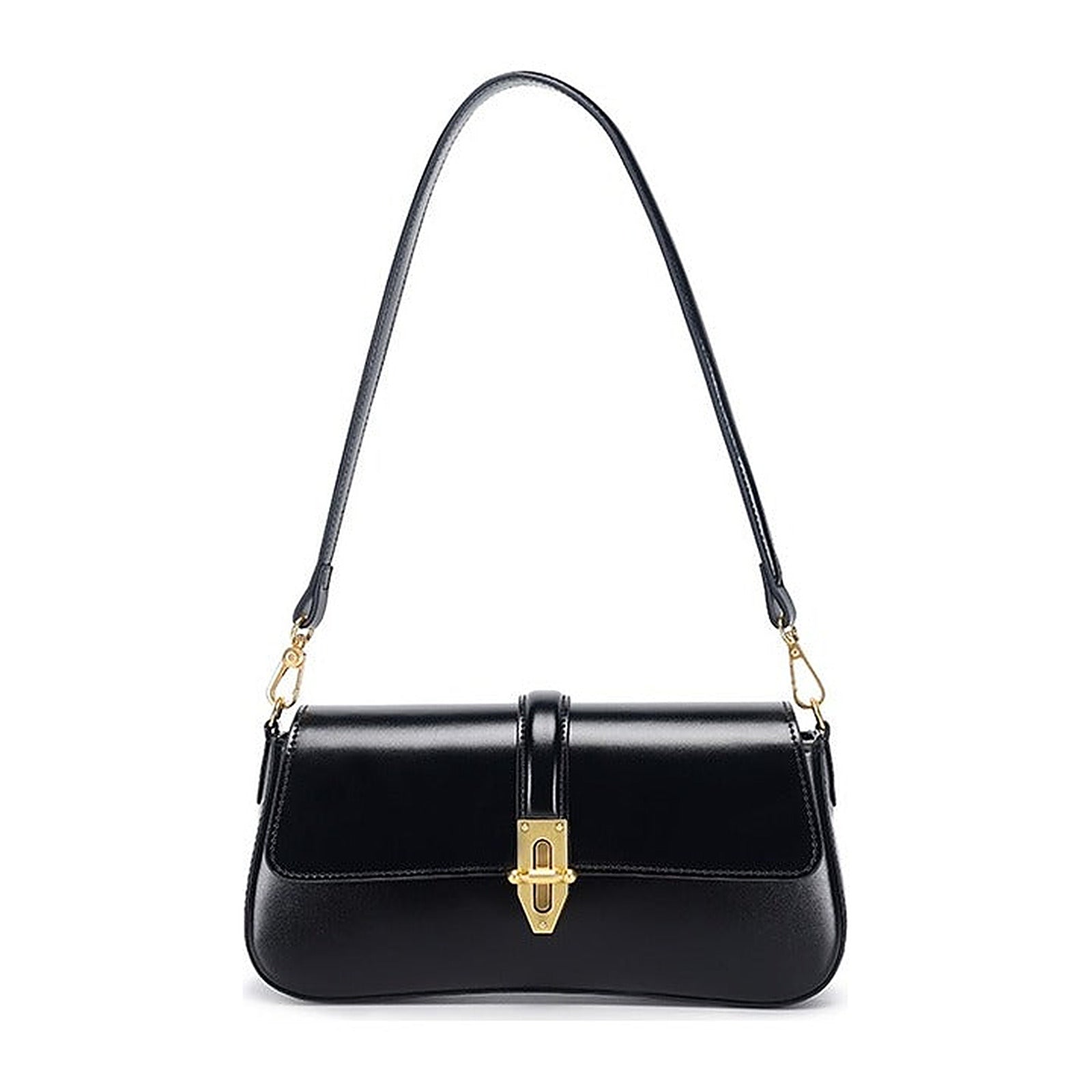
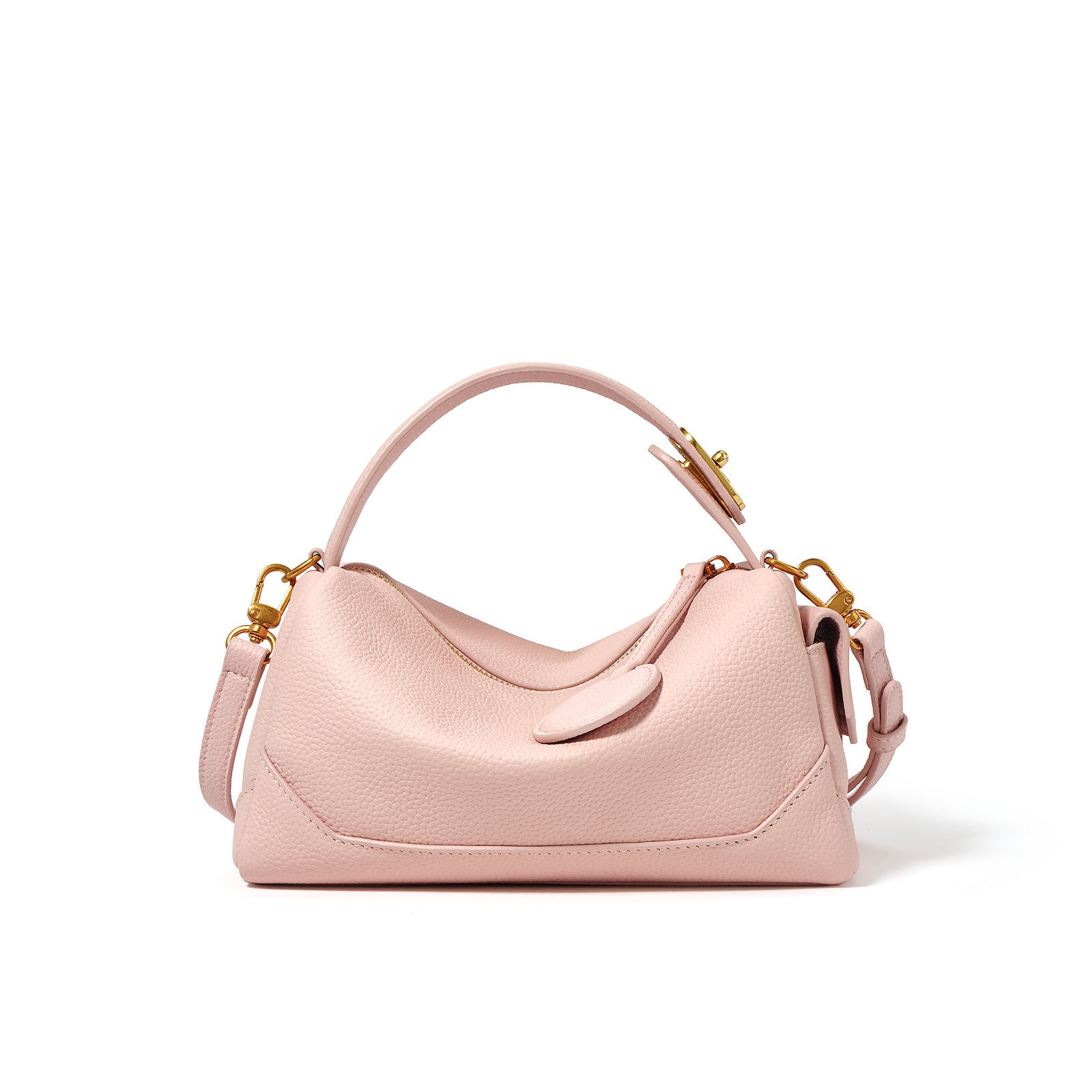
Shape matters as much as size. A structured bag with clean lines keeps its form even when empty and gives a dressier look: that is the case with SIMEON, a semi-rigid bag that carries a full day's essentials and keeps everything closed. A soft bag, such as a bucket bag or a cushion style, follows the body and is easier to fill, at the cost of a little less visual structure. There is no wrong answer: it all depends on your style and the way you live.
Finally, take your figure into account. A bag in proportion to your build flatters the outfit, while an oversized or tiny bag can throw the whole look off balance. We devote a full article to the question of size in this series.
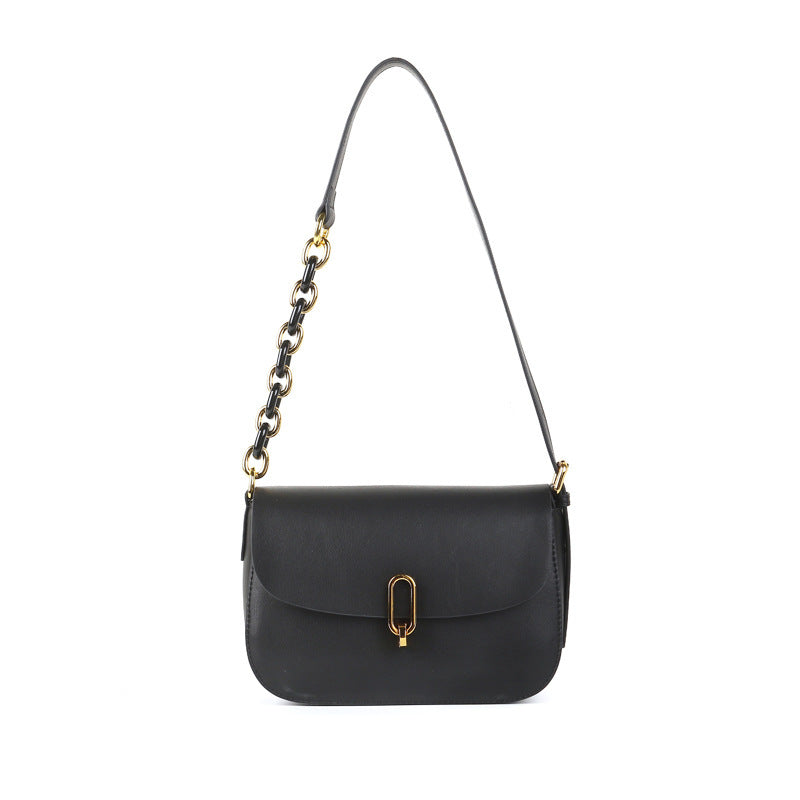
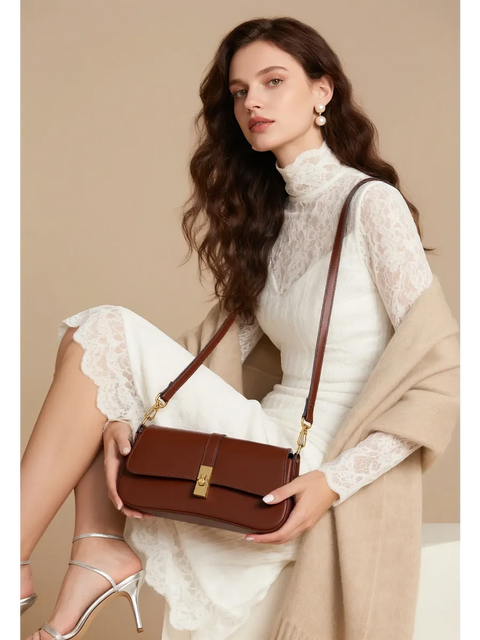
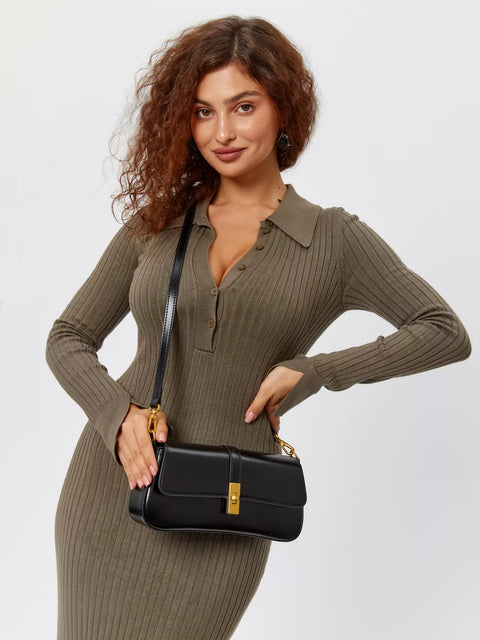
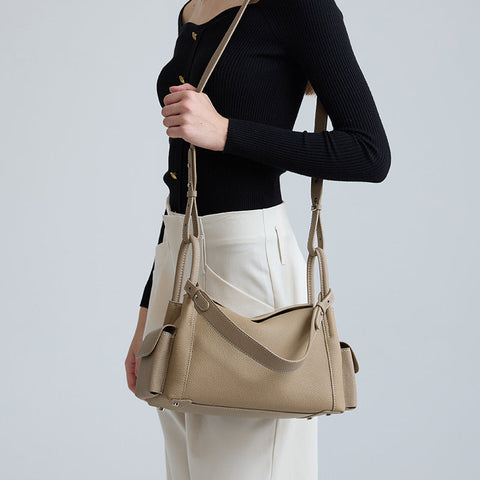
The way you carry a bag radically changes everyday comfort. The top-handle bag, with its short handles, is the most elegant, ideal for a meeting or an event, but it keeps one hand busy. The shoulder bag offers a good compromise between style and practicality. The cross-body bag, worn across the body, spreads the weight and frees both hands: it is the most practical format in town, as our selection of cross-body bags shows.
Very often, the best choice is a bag that offers several ways to carry it. A short handle combined with a removable, adjustable strap lets you switch from a dressy look to a practical one in seconds. Several YUMIKA bags are designed this way: LISA can be carried by hand or on the shoulder thanks to its removable strap; NINA, with its handle and adjustable strap, offers the same versatility.
Also check the width of the strap and the weight of the empty bag. A thin strap on a heavy bag always ends up marking the shoulder. If you carry a lot, choose a wider strap or cross-body wear, which spreads the load.
The material determines the look, the lifespan and the care of your bag. Genuine leather remains the benchmark for a simple reason: well cared for, it stays with you for a long time and gets better with age as it develops a patina. Cowhide leather in particular offers an excellent balance of strength, suppleness and structure. Many of our bags, presented in the handbags collection, are made of cowhide leather; the material is specified on each product page.
Faux leather (or PU leather) has other advantages: it is lighter, often cheaper and easy to clean. However, it ages less well: after a few years, it can crack or peel where it rubs. It is a sensible choice for a trend piece or a backup bag, less so for a bag you want to keep for a long time.
Beyond the material, look at the finishing: regular, tight stitching, well-dyed or folded edges, a clean lining, closures that slide without catching. These details reveal a bag's quality immediately, far more reliably than its price or its logo.
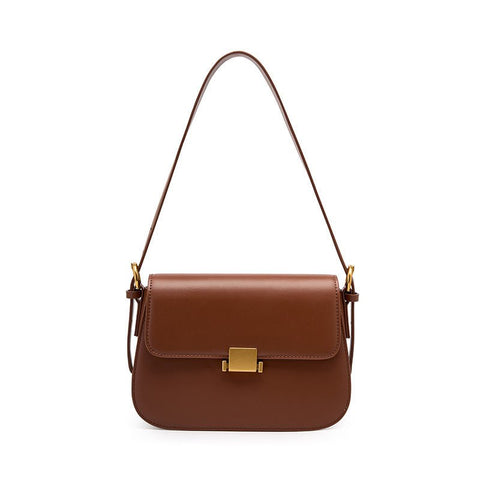
For a first bag or a single bag, neutral shades are unbeatable: black, caramel, beige, brown. They go with almost your whole wardrobe and last from season to season. Caramel in particular is a very warm "almost neutral" that works as well with black as with denim or white. Once this base is in place, a bolder colour (wine red, green, pink) adds character to simple outfits.
On budget, think in cost per wear rather than purchase price. A €110 bag carried three times a week for several years comes to a few cents per outing; a €30 bag abandoned after six months ends up costing more. A quality genuine leather bag can be found today without blowing your budget: our bags are priced between €70 and €150, like LISA or NOÉMIE, in cowhide leather.
One last tip: when you buy online, read the dimensions carefully, look at the photos of the bag being worn and check the return conditions. A good product page should let you picture the bag on your arm before you even receive it.
Choosing a handbag means finding the balance between what you love and what you need. Start from how you really live, choose a size and shape that suit your daily life, opt for comfortable, versatile carrying options, and go for a material that ages well and an easy-to-wear colour. With these five markers, you will avoid regrettable purchases and find a bag that, well cared for, will stay with you for a long time. To go further, browse our complete series or go straight to all our bags.
A medium bag that can hold a standard wallet, a phone, keys, a pouch and a small bottle suits most women. If you carry a laptop, go straight to a large size.
Black, caramel and beige are the three most versatile colours. Caramel has the advantage of warming up dark outfits while working with denim and light tones.
Yes, if you plan to carry it often. Leather resists wear better, develops a beautiful patina and lasts a long time with simple care, which often makes it more economical over time.
For everyday use, a bag that combines a short handle with a removable strap offers the best of both worlds: elegance by hand, freedom of movement cross-body.
Three bags cover most situations: an everyday bag, a work or large bag, and a small bag for evenings out. Start with the one you will carry most.
Find all the articles in the series: choosing the right handbag.