Cart
0
You may also like
By how you carry it
 Handheld
 Shoulder bags
 Crossbody
By size and shape
 Mini bags
 Large bags
 Totes
Totes Bucket bags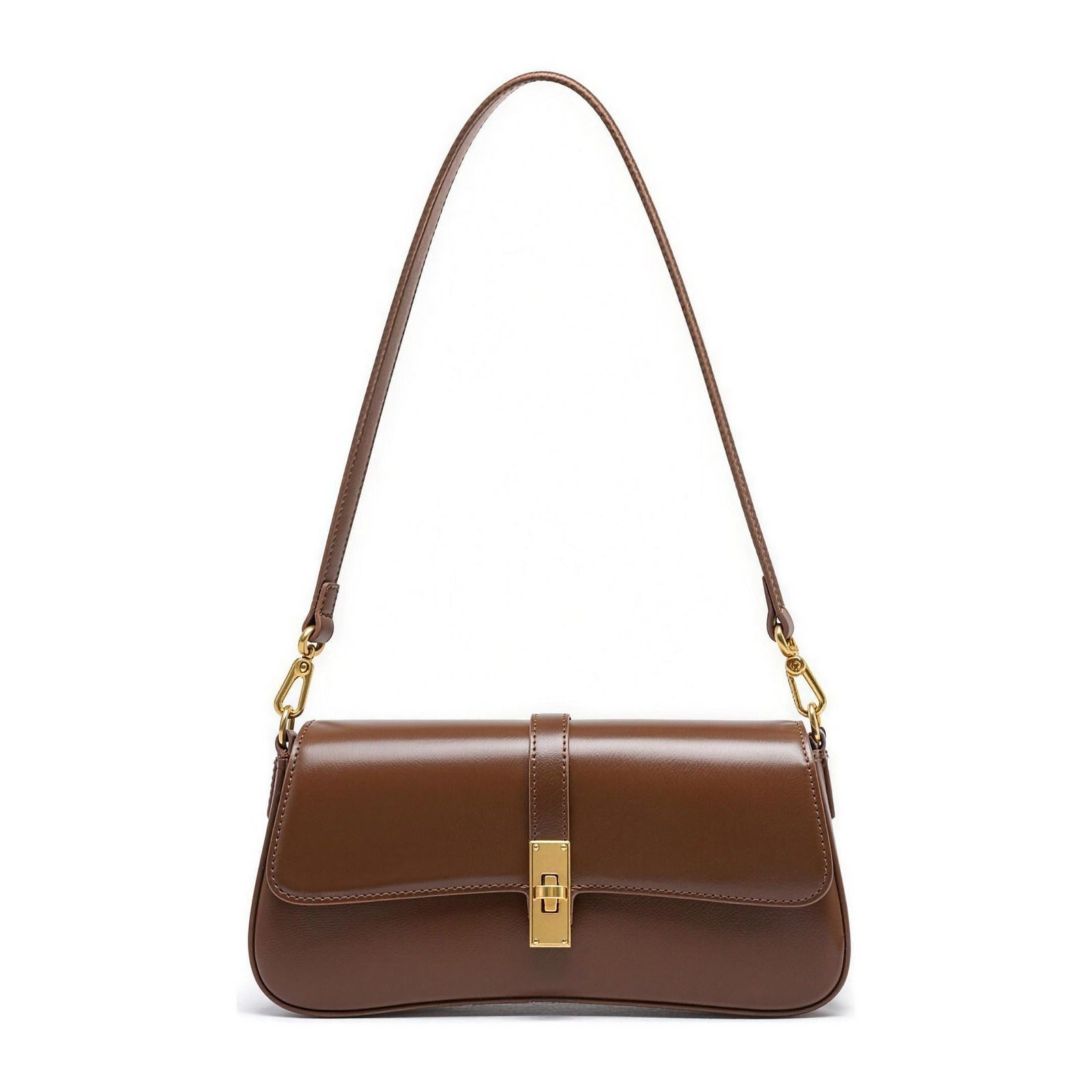
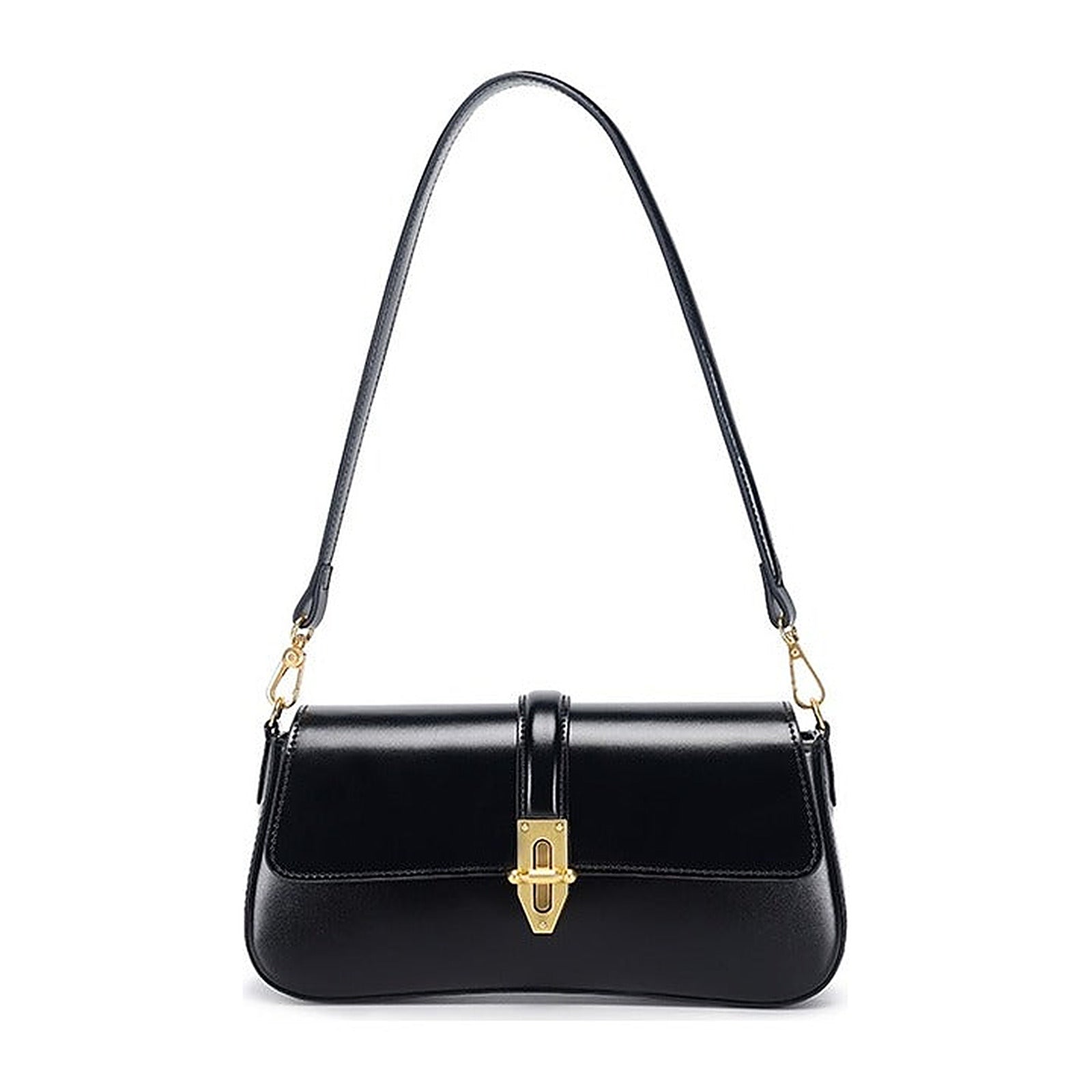
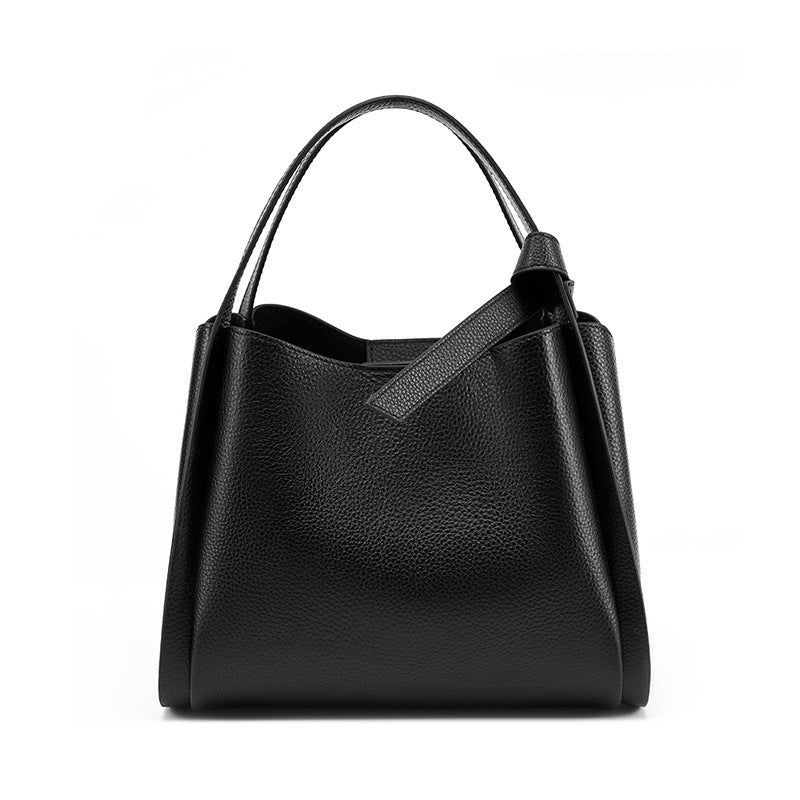
On product pages, we often read "top-handle bag", "shoulder bag" or both at once. These labels are not trivial: the way a bag is carried changes its look, comfort, practicality and even the silhouette of the woman carrying it. Two bags of identical size can offer a completely different experience depending on how they are carried.
In this article from our "Styles" series, we explain the difference between a top-handle bag and a shoulder bag, their respective advantages, and how to choose the one that suits you. For an overview of shapes, see our guide to the different types of handbags, and for cross-body carry, our article on the cross-body bag.
A top-handle bag has one or two short handles, generally 10 to 20 cm high, which let you hold it in your hand or in the crook of your arm, but not slip it over your shoulder. It is also known as a "top handle". It is the most traditional form of handbag, associated with classic elegance.
Its main strength is style. Held in the hand, the bag becomes a true fashion accessory, showcased like a piece of jewellery. It structures the silhouette, draws the eye to the hand and gives an impression of care and poise. It is ideal for business meetings, ceremonies, dinners and any occasion where you want to make a good impression.
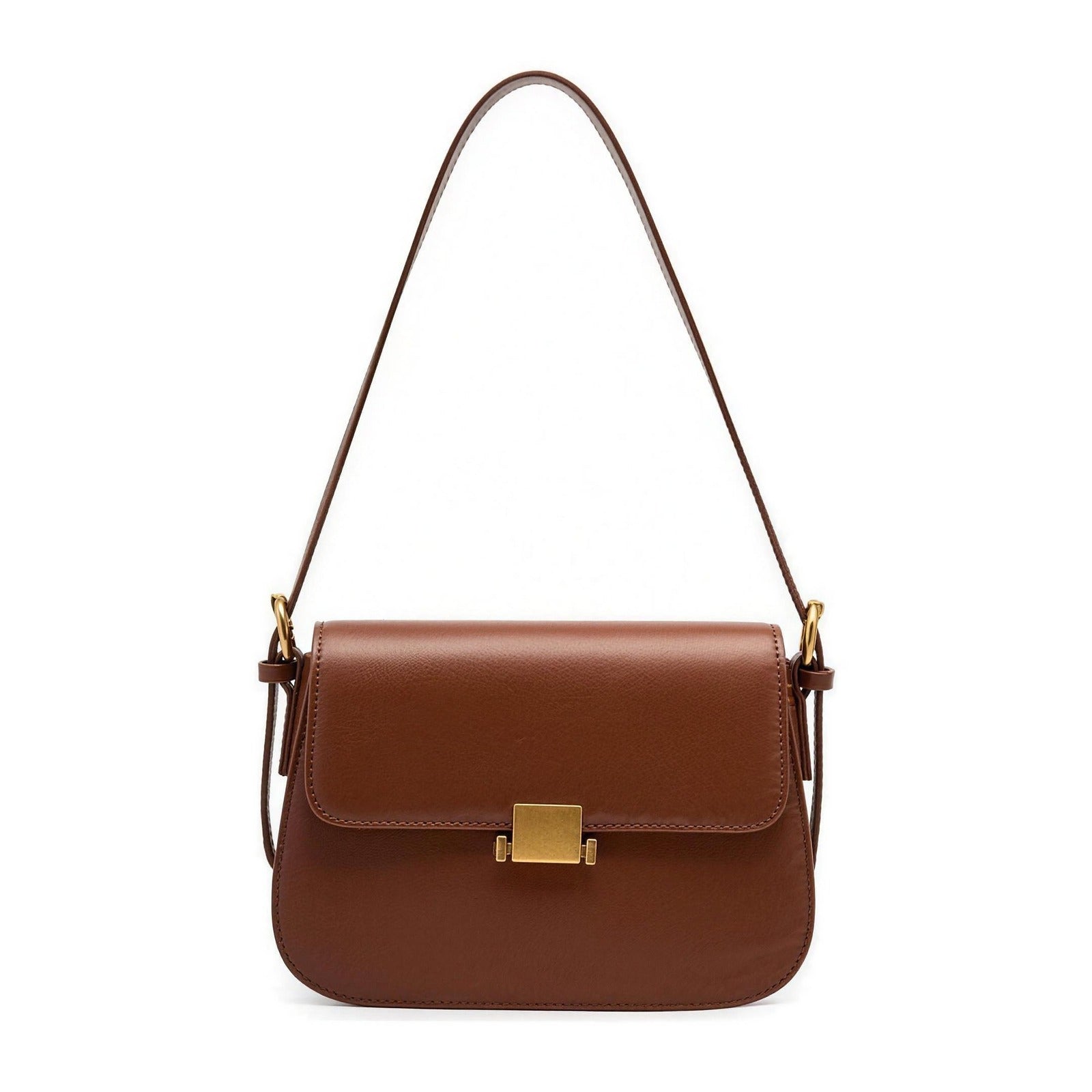
Our top-handle bags are designed around this way of carrying: NINA, with its clean silhouette, ELENA, a small top-handle bag with a square clasp, or LUMIA, compact and confident. Find them in our top-handle bags collection.
Its main limit is obvious: it keeps one hand busy. It is hard to check your phone, hold an umbrella, a coffee and a top-handle bag all at once. On public transport, in town or with children, it quickly becomes restrictive.
It is also less suited to heavy loads: held at arm's length, a full bag soon tires the wrist and forearm. Carrying it in the crook of the arm helps a little, but remains tiring over time. It is therefore an ideal bag for short outings or days when you carry little.
That is why most modern top-handle bags, including our ELENA, LUMIA and NINA, come with an adjustable strap: you keep the elegance of hand carry when it matters, and the freedom of a strap the rest of the time.
A shoulder bag has handles or a medium-length strap that let you slip it over your shoulder: it then sits under the arm or falls along the side, at waist or hip level. This category includes baguette bags, hobos, large totes, round or half-moon bags, and flap bags on a short strap.
Its main strength is the compromise between style and practicality. It frees your hands while keeping a dressier look than a cross-body bag. It also copes better with heavier loads than a top-handle bag. Worn short under the arm, it is elegant and secure; worn longer, it is relaxed.
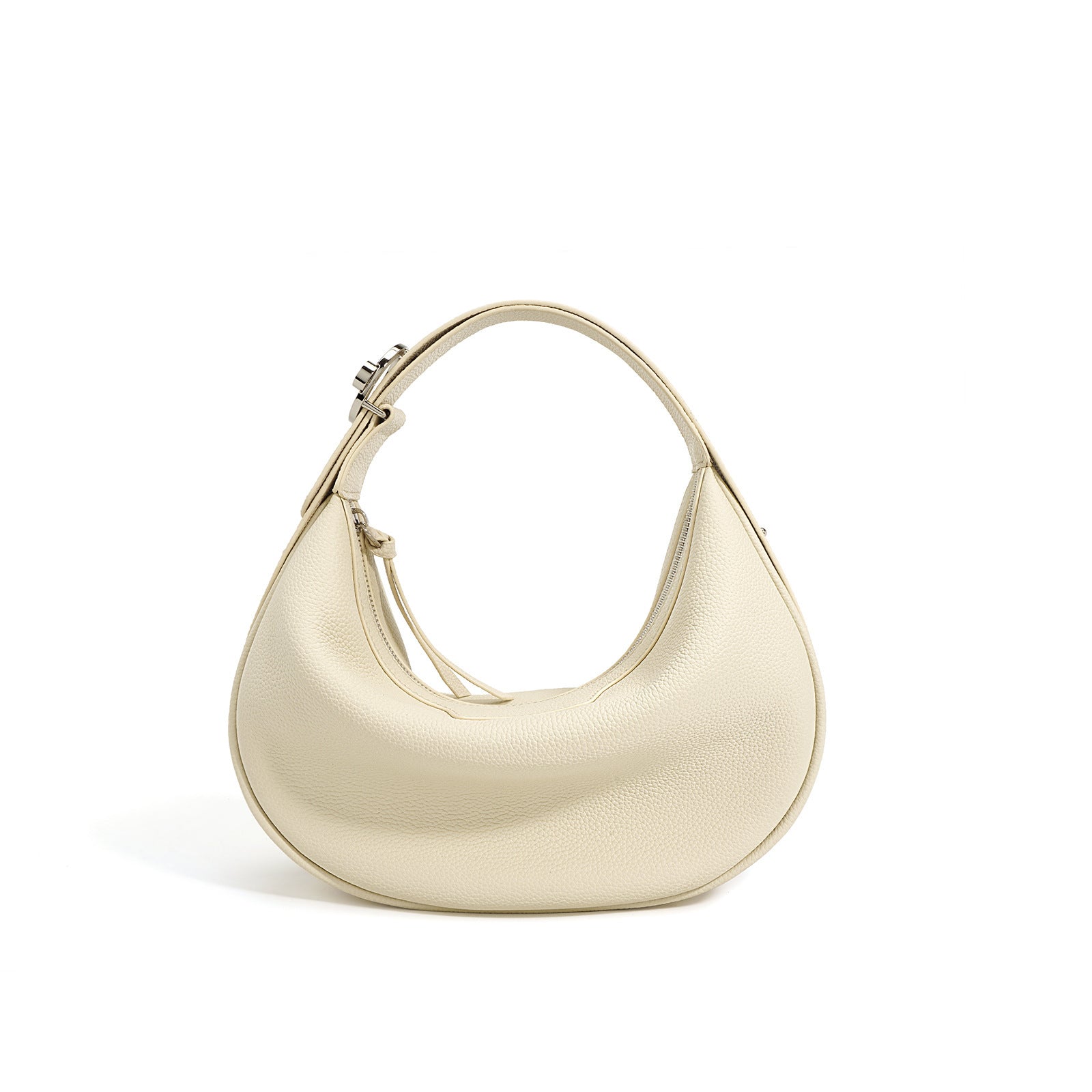
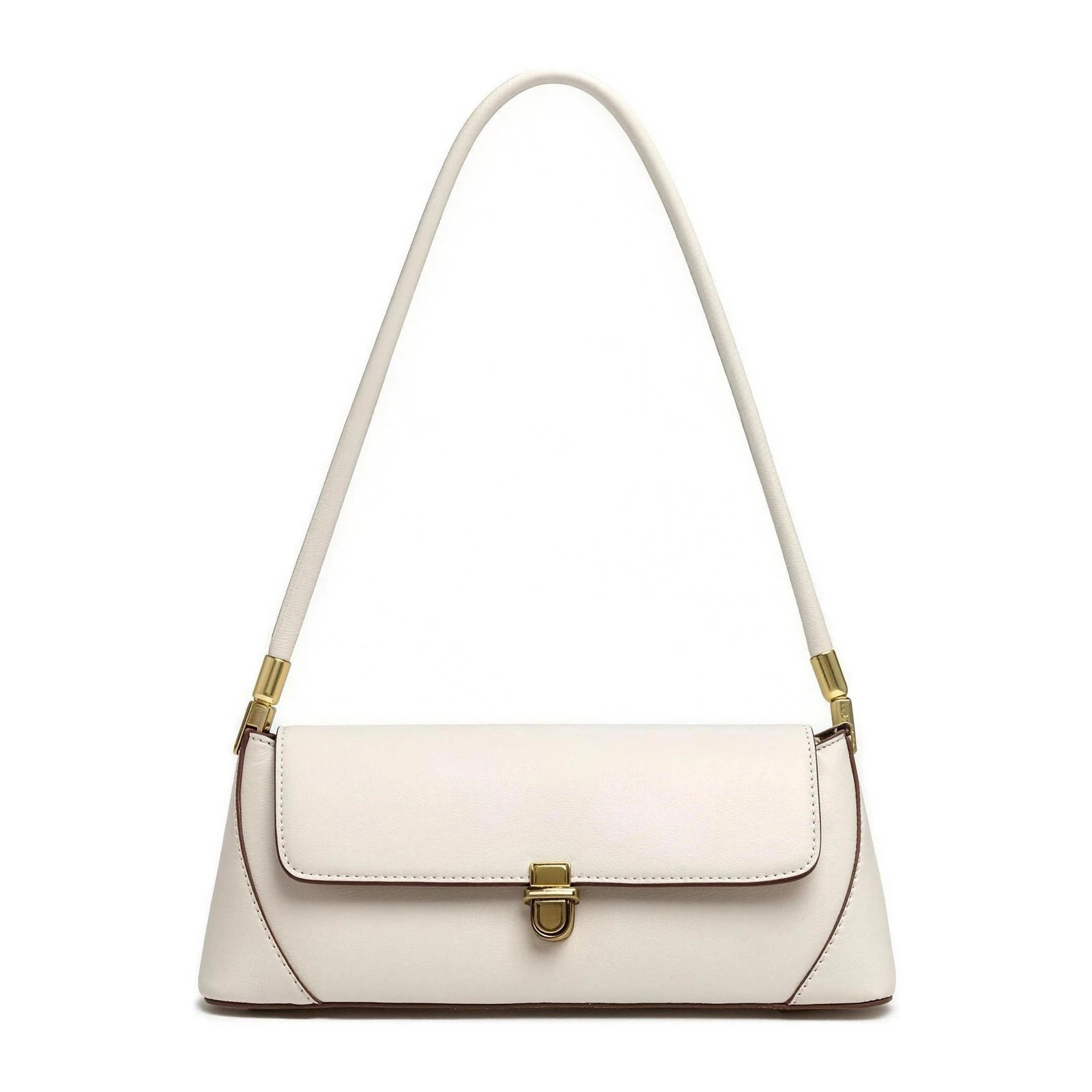
HALFMOON, with its half-moon shape, LAYOUN, long and graphic, or the large MILLER tote are carried this way. Find them in our shoulder bags collection.
Shoulder carry has its drawbacks too. The most common: the bag slipping off your shoulder, especially on smooth clothes (trench coat, puffer jacket, silk). A slightly grippy leather strap that is wide enough limits this; so does carrying it short, under the arm.
The second drawback is that it relies on a single shoulder. A heavy bag always carried on the same side can create imbalances and tension in the neck and back. Remember to switch sides regularly and not to overload your bag.
Finally, a shoulder bag is a little less secure than a cross-body bag in a crowd, as it is easier to snatch or open discreetly. Choose a style that closes securely and keep a hand on it on public transport.
Choose a top-handle bag if you put elegance first, carry few things and your days include lots of appointments, meetings or events. Choose a shoulder bag if you want a compromise between style and practicality, need your hands and carry more.
But the best answer is often… both. Convertible bags, which combine a short handle with a removable or adjustable strap, let you switch from one way of carrying to the other as the moment requires. LISA, SIMEON or HALFMOON can be carried by hand or on the shoulder.
Also take your figure into account: a bag carried by hand or short on the shoulder draws the eye upwards and lengthens the silhouette; a bag worn low on the hip visually widens that area. We will cover these principles in our articles on body shape.
The top-handle bag embodies elegance, at the cost of a busy hand; the shoulder bag offers a good compromise between style and practicality, at the cost of a single burdened shoulder. The convertible bag reconciles the two and adapts to every moment of the day. To choose, think about your daily life, what you carry and the image you want to project. To match it to your outfit, reread our guide to matching your bag to your outfit.
A top-handle bag has short handles to hold it in your hand; a shoulder bag has handles or a strap long enough to slip over your shoulder.
Hand carry is generally the dressiest, followed by short shoulder carry under the arm.
Cross-body, then shoulder. Hand carry is the least practical for everyday life.
Choose a fairly wide leather strap, wear the bag shorter under the arm, or opt for cross-body carry.
Yes, convertible bags combine a short handle with a removable strap. It is the most versatile choice.
Main article: the different types of handbags. Also read: the cross-body bag, the mini bag and maxi bags and totes. All the articles: bag styles.