Cart
0
You may also like
By shape
 Handbags
 Shoulder bags
 Crossbody bags
 Bucket bags
 Totes
By material
By size
 Mini bags
 Large bags
By colour

Secure payment
Browse
Most loved

Faux leather has a reputation as an easy material: a drop of rain, a fingerprint, a wipe of a cloth and it all disappears. That's largely true, and it's one of the reasons to choose it for an everyday bag. But "easy" doesn't mean "no rules": faux leather dislikes heat, harsh products and friction, and one bad habit can dull it or make it crack long before its time.
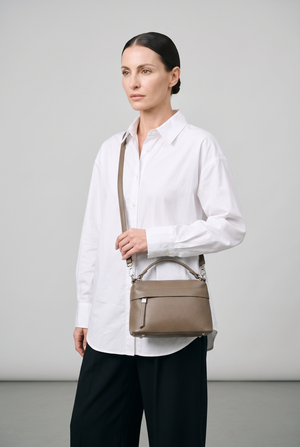
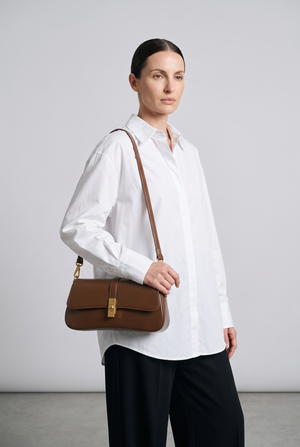
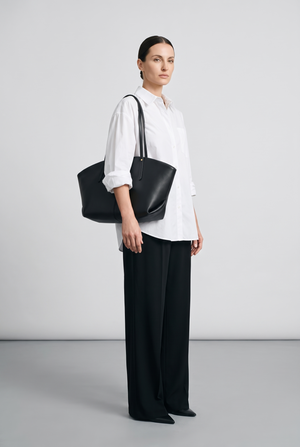
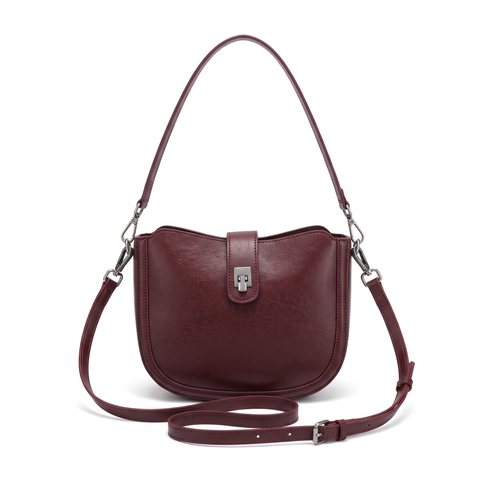
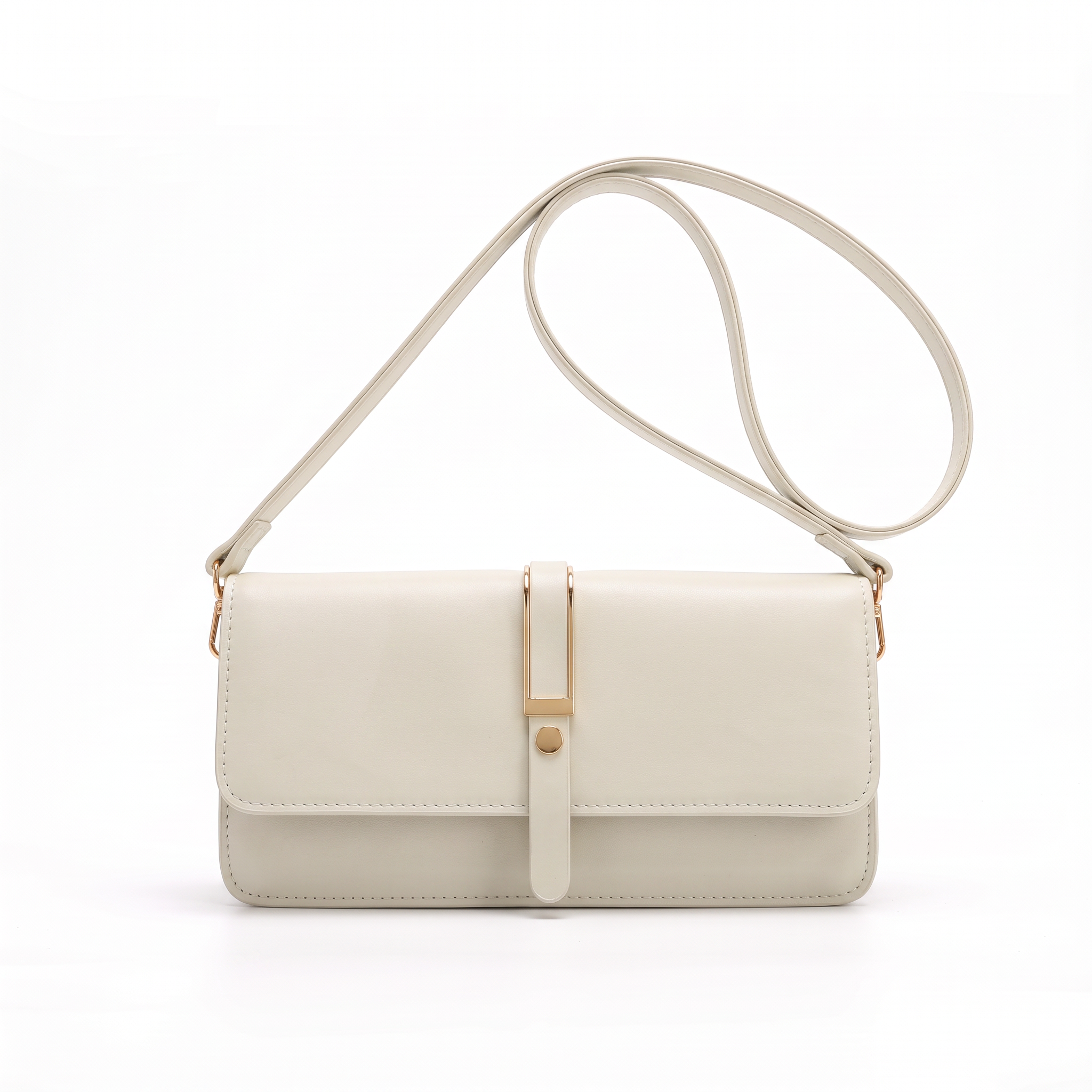
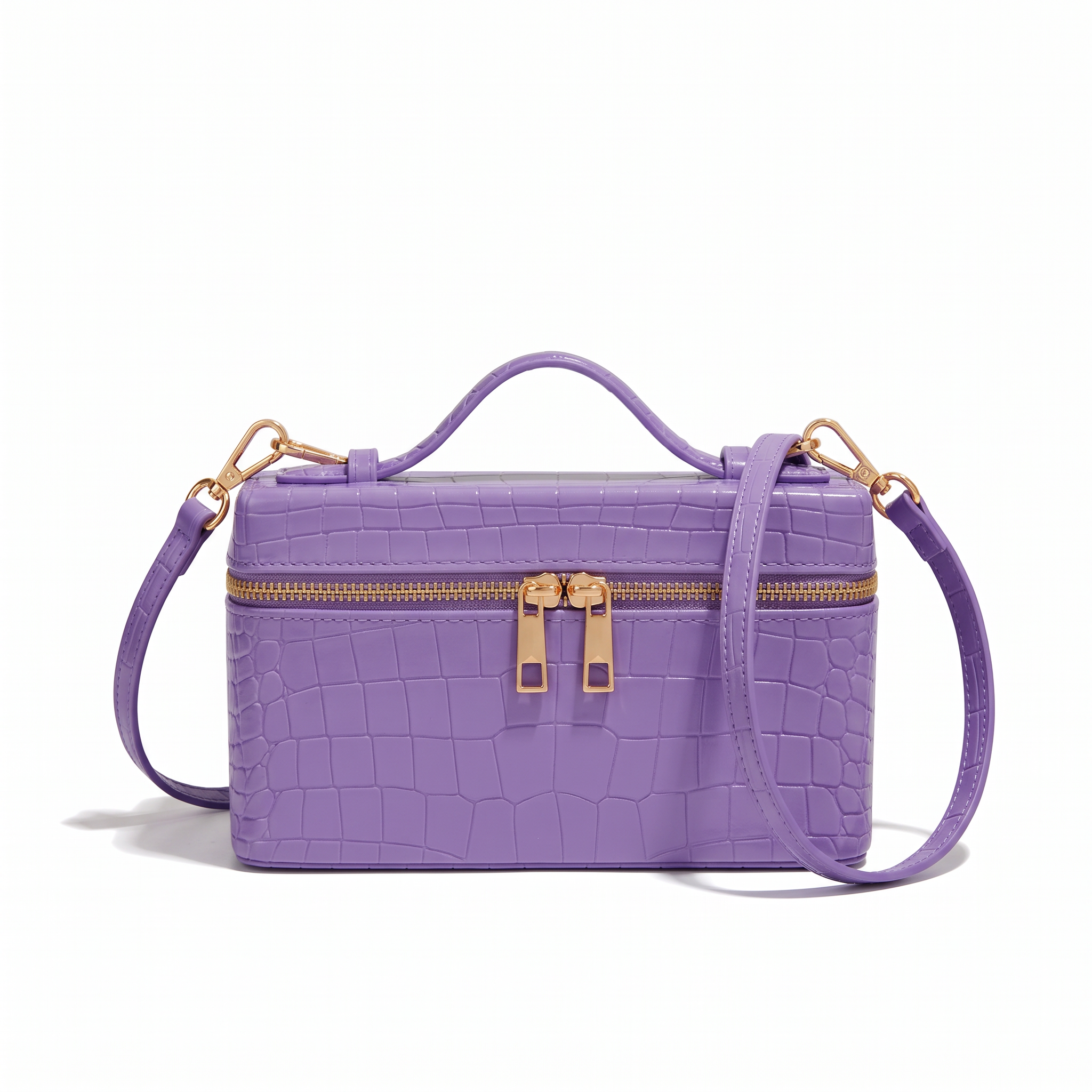
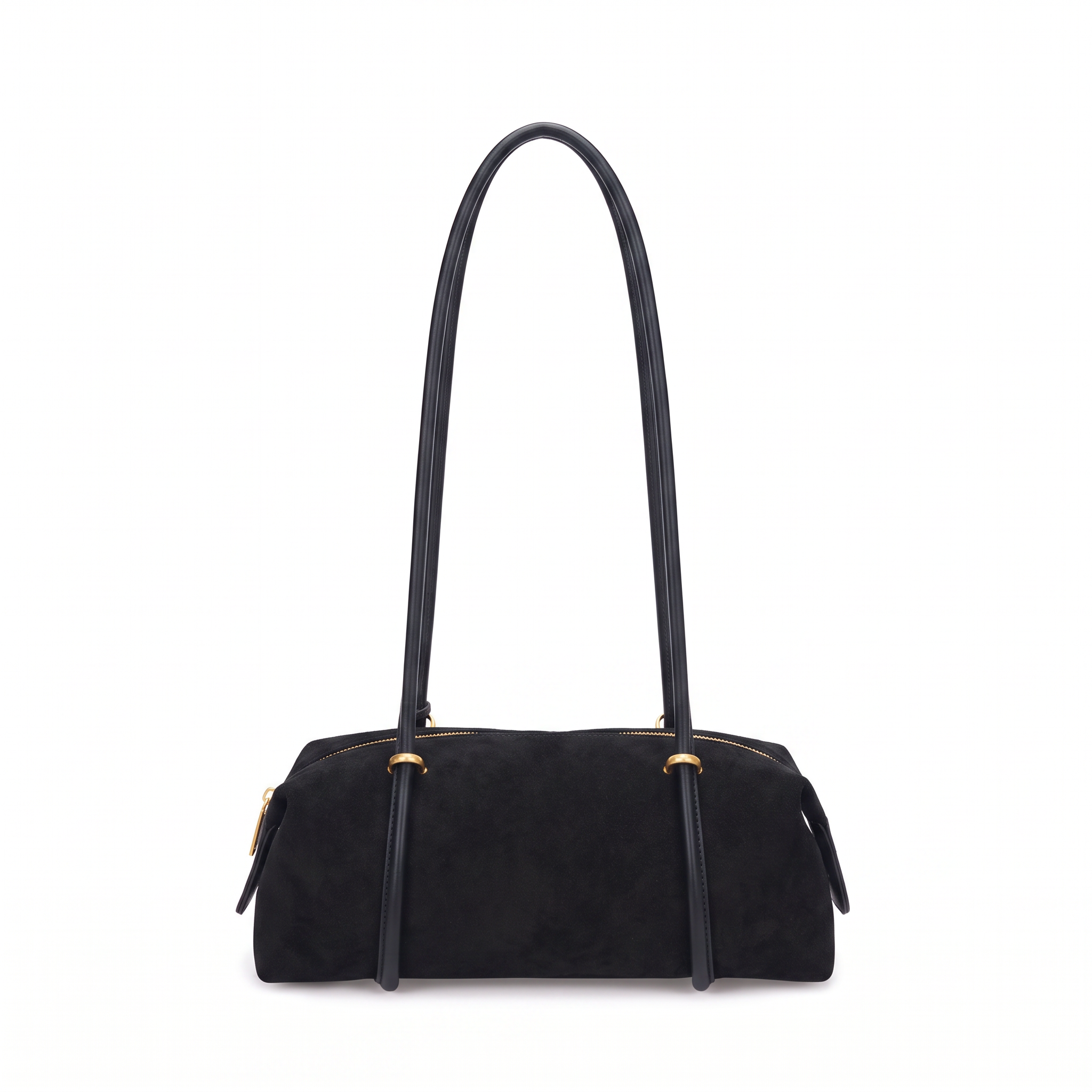
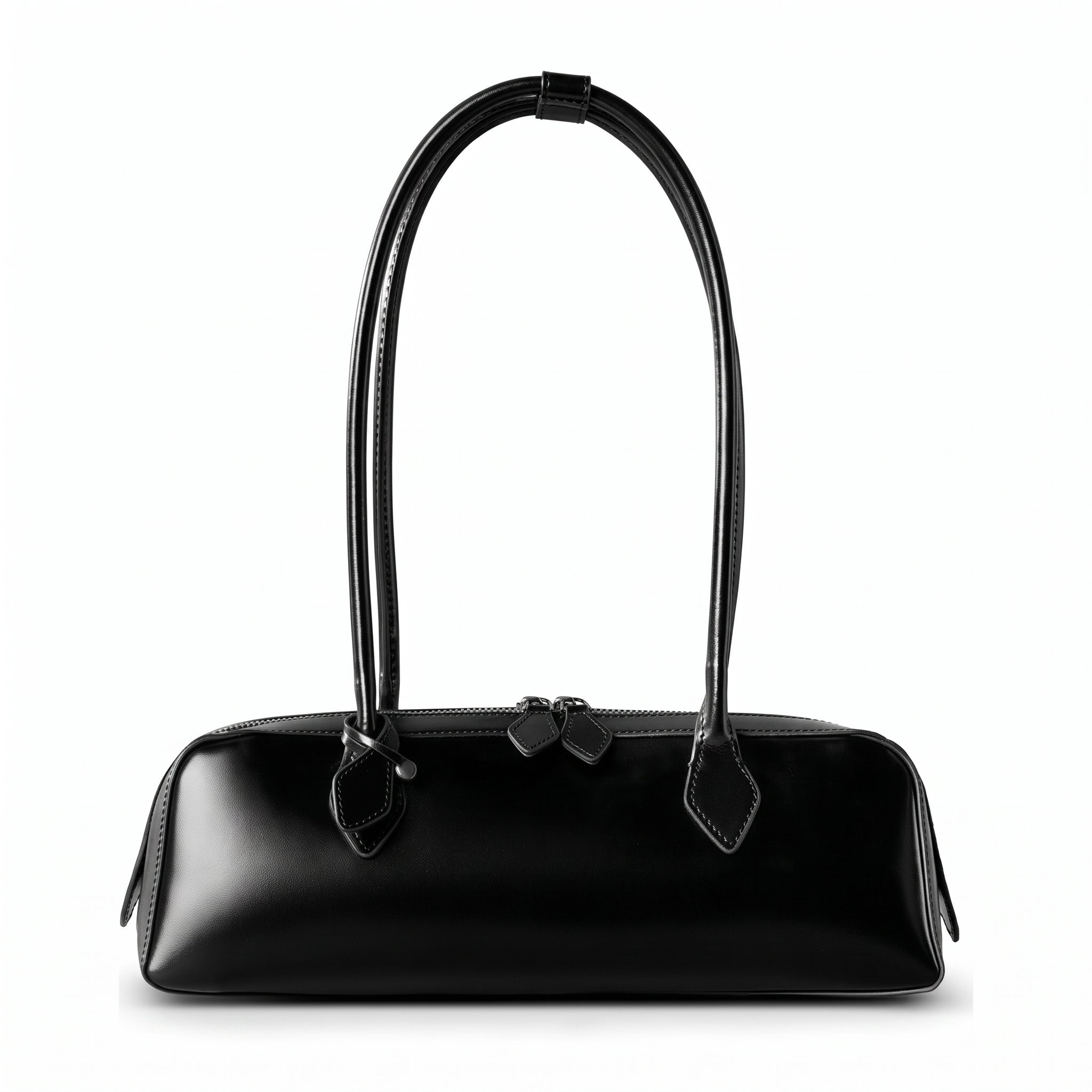
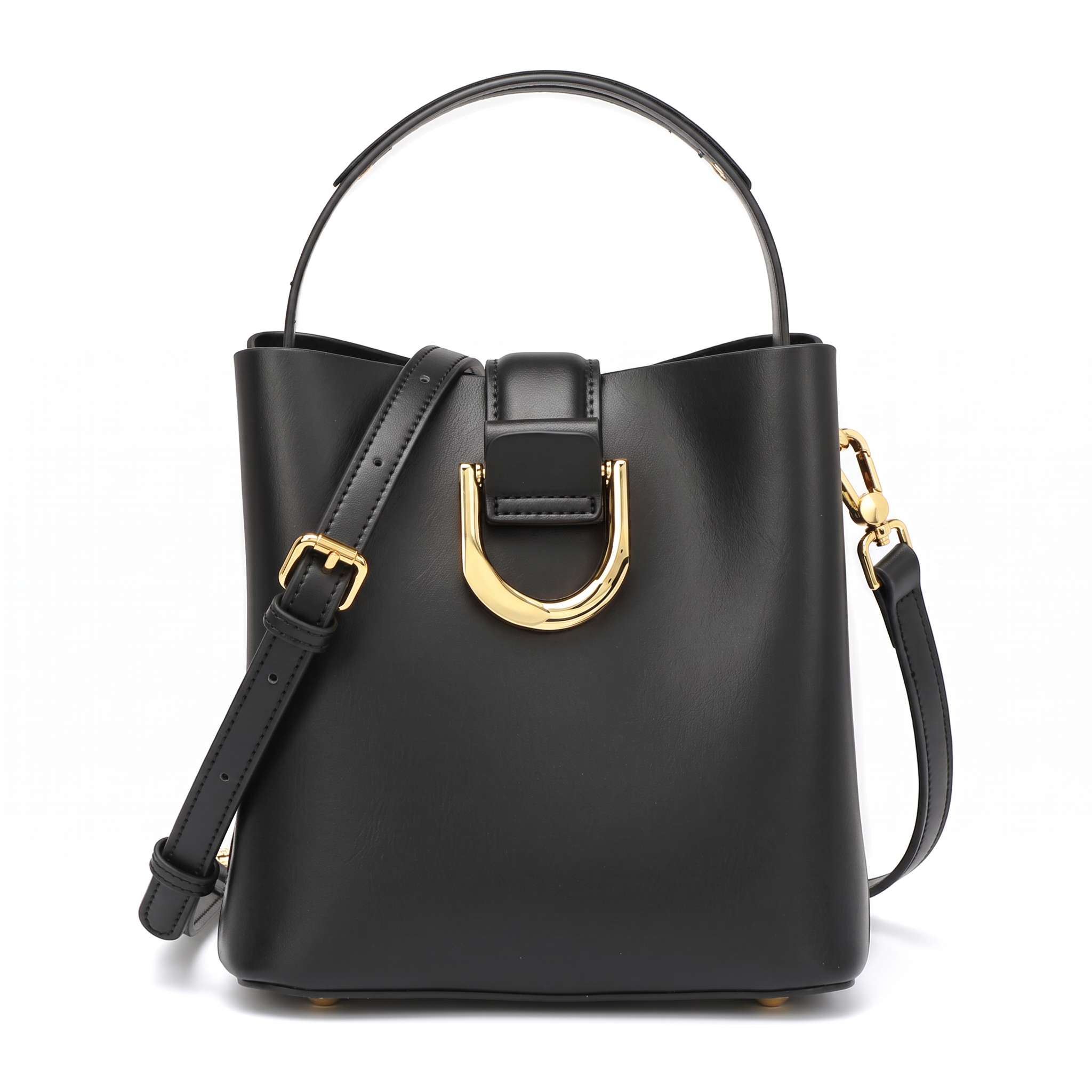
This article from our "Leather" series explains how to care for a faux leather bag: what this material is, everyday habits, cleaning, mistakes to avoid and storage. It complements our step-by-step guide to caring for a leather bag, not all of whose advice applies to faux leather. At YUMIKA, five models are made in vegan leather: LANA, ARIA, AGATHE, ROMANE and LOU. The material is specified on each product page.
The faux leather used for a bag is most often polyurethane (PU): a thin layer of supple polymer applied to a textile backing, then grained to recall the look of leather. It's also called "synthetic leather" or "vegan leather", but the name matters little: it's a manufactured material, not a hide.
This difference changes everything when it comes to care. Leather is a porous material that absorbs, dries out and needs to be nourished. Faux leather, on the other hand, is a sealed, waterproof surface: it absorbs almost nothing, which makes it very easy to clean, but it doesn't "drink" creams and balms either; they stay on the surface and clog it.
So its weak point isn't dryness but wear of the surface layer: heat, solvents, repeated friction and creasing eventually weaken it. Caring for a faux leather bag is mainly about preserving that layer.
As with any bag, don't overload it: an overfilled bag pulls on the seams and handles, and faux leather copes less well than leather with repeated strain in the same places. Put it down on a clean surface rather than on the floor, and avoid car seats in the sun or the parcel shelf.
Keep it away from heat: radiators, heating vents, a car's parcel shelf, long spells in full sun. Heat softens polyurethane and then hardens it, and that's how cracks and peeling corners appear.
Hand sanitiser, perfume and creams: apply them, let your hands dry, then pick up your bag. Alcohol is faux leather's number one enemy: it dissolves the surface and leaves dull or sticky patches. A light-coloured bag is also prone to colour transfer from raw denim or a dark coat; a wipe with a damp cloth in the evening is usually enough to remove it, as long as you don't wait.
This is where faux leather proves easy to live with. For routine cleaning, a soft cloth lightly dampened with lukewarm water is enough: wipe it over the whole surface, then dry immediately with a dry cloth. For a stubborn mark, add a drop of mild soap (Marseille soap, neutral soap) to the water, rub without pressing, rinse with a damp cloth and dry.
For a pen or make-up stain, try soapy water first. If that isn't enough, a little cleansing milk on a cotton pad, followed by rinsing with a damp cloth, often gives good results. Always test on a hidden area, for example under the flap or on the back of the bag, and wait until it's dry before judging.
The inside is cleaned the same way when it's vegan leather, as with ARIA, which has no lining. When the bag has a textile lining, empty it, turn the lining out as far as possible and go over it with a damp cloth or a soft brush. Always leave it to dry open, in the open air, away from any heat.
The first is using leather products: nourishing cream, balm, polish, leather milk. Faux leather doesn't absorb them; they leave a greasy film that attracts dust and can alter the finish. The second is resorting to solvents: alcohol, acetone, nail polish remover, white spirit, disinfectant wipes, household cleaners. They attack the surface layer directly.
The third mistake: rubbing hard, or using a scouring sponge, a stiff brush or a very dry microfibre cloth on a stain. Faux leather scratches and turns shiny where it's rubbed, and the mark stays. Better to repeat a gentle action twice than to make one vigorous one.
Finally, drying with heat: a hairdryer, radiator or the sun to speed things up after rain. A faux leather bag doesn't mind water; it minds the way it's dried. Pat it dry, then let it dry open at room temperature.
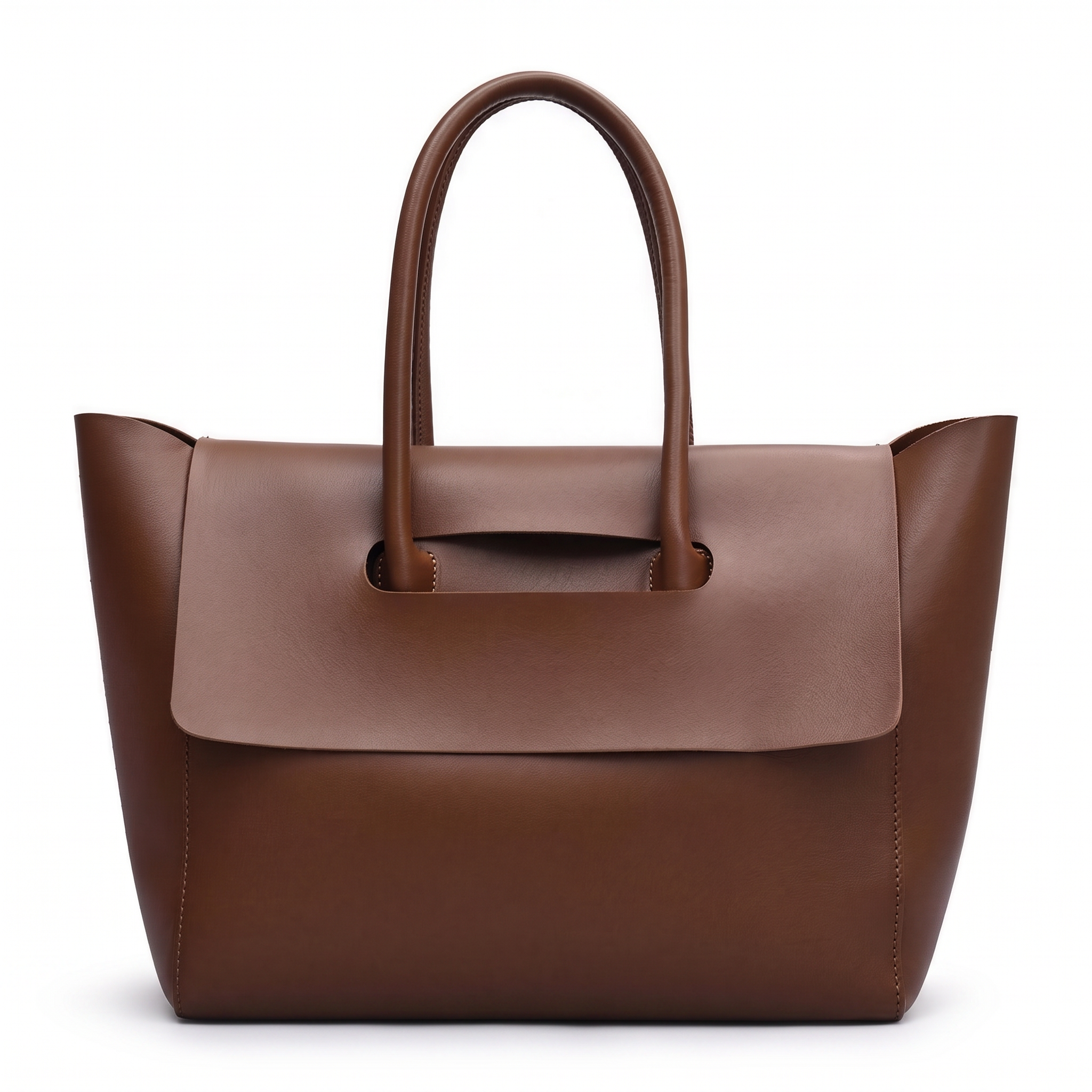
A bag spends more time stored than carried, and it's often in storage that faux leather picks up marks. Empty it, then stuff it lightly with ink-free tissue paper so it keeps its volume; this is useful for a tote like ROMANE or LOU. Store it upright, without crushing it under other bags.
Avoid prolonged contact between two faux leather bags, or between the bag and vinyl, patent leather or plastic: after several months, the surfaces can stick together or transfer colour onto each other. A fabric dust bag, or simply a piece of cotton slipped between the bags, solves the problem. Avoid sealed plastic bags, which trap moisture.
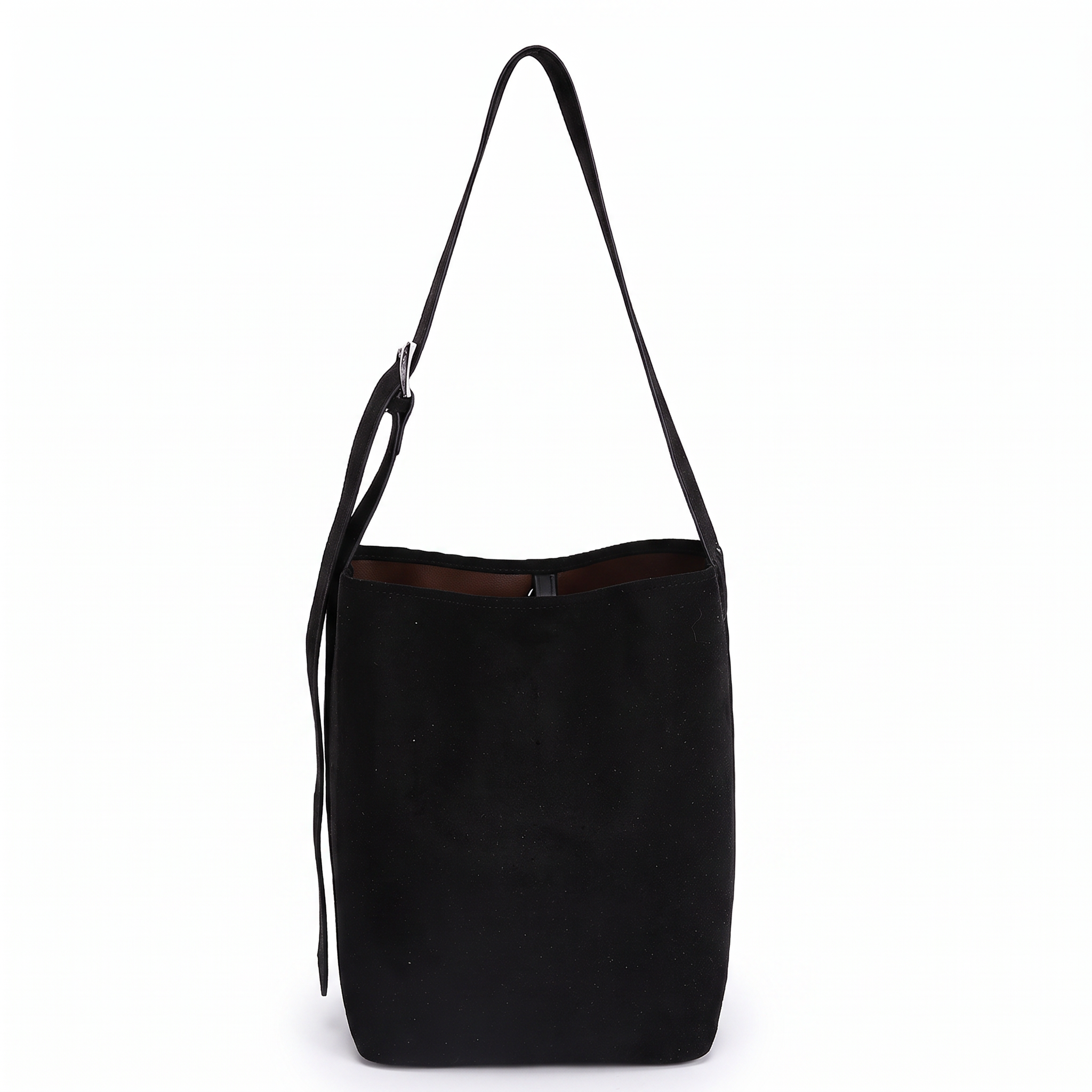
For a long shoulder strap like LANA's, coil it without folding it at a sharp angle, or let it hang freely: a tight fold held for months can mark the surface. And take the bag out from time to time, even out of season: faux leather that gets some air ages better than faux leather that's shut away.
Caring for a faux leather bag takes less effort than a leather one: no cream, no balm; a damp cloth and a little mild soap do most of the work. In return, it has three enemies to keep at bay: heat, alcohol and solvents, and friction. With these precautions, LANA, ARIA, AGATHE, ROMANE or LOU stay looking neat for a long time. To choose between leather and faux leather for your needs, read our guide to choosing your handbag, and to understand leathers, our comparison of leather types.
With a soft, slightly damp cloth, and a drop of mild soap on stubborn marks. Dry immediately with a dry cloth.
No. Faux leather doesn't absorb it; the cream stays on the surface, makes the bag greasy and attracts dust.
No, its surface is waterproof. Wipe it and let it dry in the open air, never near a heat source.
Most often because of heat, solvents such as alcohol or repeated friction, which weaken the surface layer.
Empty, lightly stuffed, upright, in a fabric dust bag, without prolonged contact with other faux leather or plastic.
Main article: genuine leather bags: everything to know before you buy. Also read: how to care for a leather bag and leather patina. All the articles: leather and leather care.